Thermo Fisher Scientific, gıda güvenliği laboratuvarlarının ihtiyaçlarına yönelik kapsamlı mikrobiyoloji çözümleri sunmaktadır. Numune hazırlama ve zenginleştirmeden patojen tespiti, doğrulama ve identifikasyona kadar analiz sürecinin farklı aşamalarında güvenilir ürün ve teknolojiler sağlar.
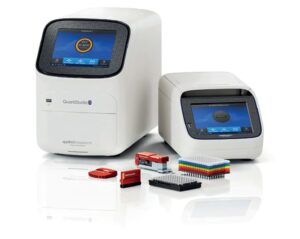
• SureTect™ PCR Sistemi
Gıda güvenliğinde hızlı ve güvenilir çözüm sunar. SureTect RT-PCR sistemi, gıda güvenliği testlerinizi hızlandırmak ve kolaylaştırmak için tasarlanmıştır.
İlgili kataloğumuza from here you can reach.

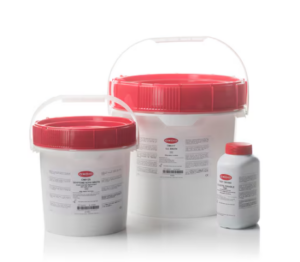
• Oxoid™ Kültür Besiyerleri ve Supplementler
Zenginleştirme, seçici izolasyon ve doğrulama süreçleri için geniş kapsamlı toz besiyerleri ve supplementler.
İlgili kataloğumuza from here you can reach.

• Precis™ Kromojenik Besiyerleri
Klasik yönteme alternatif olan Precis Metod ile Salmonella ve Listeria analizlerini 5 günden 2 güne kısaltarak, hedef mikroorganizmaların hızlı ve kolay şekilde tespit ve ayırt edilmesini sağlayan kromojenik besiyeri çözümüdür.
Salmonella için ilgili kataloğumuza from here you can reach.
Listeria için ilgili kataloğumuza from here you can reach.
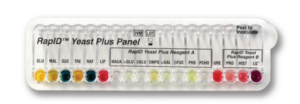
• Remel™ Doğrulama ve İdentifikasyon
Serolojik, biyokimyasal ve hızlı doğrulama yöntemleri ile mikroorganizmaların tanımlanmasına yönelik çözümler.
İlgili kataloğumuza from here you can reach.

• Remel™ Referans Kalite Kontrol Suşları
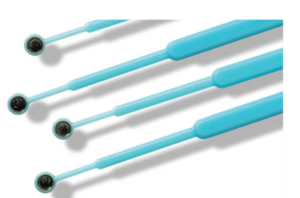
Culti-Loops™ ve Quanti-Cult Plus™, mikrobiyolojik kalite kontrol süreçleri için kullanıma hazır, güvenilir ve pratik mikroorganizma çözümleri sunar. Culti-Loops™ sayısı belli olmayan doğrudan ekim kolaylığı sağlarken, Quanti-Cult Plus™ belirli sayıda canlı mikroorganizma sağlayarak seri dilüsyon ihtiyacını ortadan kaldırır.

Sayısı belli olan ATCC suş kataloğumuza from here you can reach.
Sayısı belli olmayan ATCC suş kataloğumuza from here you can reach.
RiboPrinter Sistemi
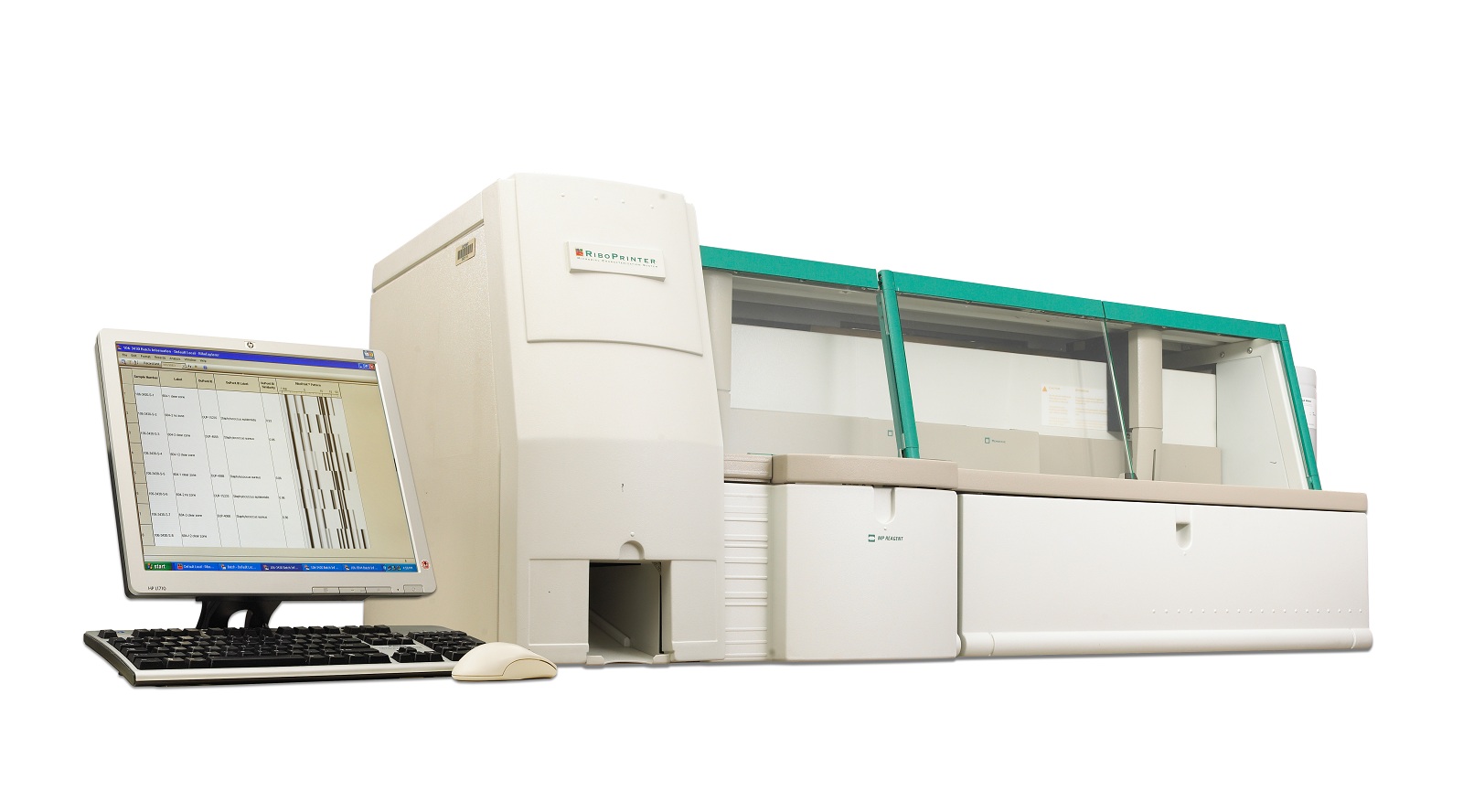
The RiboPrinter® System enables fast and accurate detection of contaminated organisms in an environment. This system generates genetic "fingerprints" of bacteria at strain level. By comparing the fingerprints in the database with the fingerprints of the contaminated organisms, the organisms are identified and their origin in the production environment is determined. This critical information enables accurate, targeted and effective safety and quality interventions.
Samples are prepared in batches and taken to the characterization unit for an 8-hour process. The RiboPrinter® System uses a patented technology to process bacterial samples and extract data from fragments of genes encoding ribosomal RNA. This data is used to create RiboPrint™ templates, which are sample-specific genetic fingerprints. The system then compares these templates to each other and to other templates in the database, allowing specimens to be characterized (grouped) at the subspecies level. These templates also enable the identification of genera and species.
Compared to other methods, the RiboPrinter® System analyzes a much larger part of the bacterial genome. In addition to the 16S rRNA sequence, the 5S and 23S sequences, spacer regions and the regions encoding genes on either side of them are also analyzed. This ensures that even strains of the same species with the same 16S sequence can be accurately differentiated. This high resolution also applies to media samples, pathogens, spoilage organisms, control strains, beneficial organisms and other bacteria important to industry.
The flexibility of the restriction enzymes used in the RiboPrinter System allows bacterial typing to be performed with ready-made or custom restriction enzymes while maintaining the advantages of full automation. Up to 8 bacterial isolates can be analyzed simultaneously and results are available after 8 hours. Since the system allows new samples to be added every two hours, 32 samples can be analyzed during one day of operation.
When a new sample is run, the RiboPrinter® system builds a genetic picture of the organism by comparing it with previous data and existing libraries. Each system has a standard library of more than 6900 RiboPrint™ templates corresponding to 219 bacterial genera and more than 1440 bacterial species and serotypes critical to the food and pharmaceutical industries. In addition, it is also possible to create custom libraries to suit the requirements of your own business. For more information about the product, see our current brochure from here you can reach.


 HOMEPAGE
 E-MARKET